When CX Looks Strong on Paper
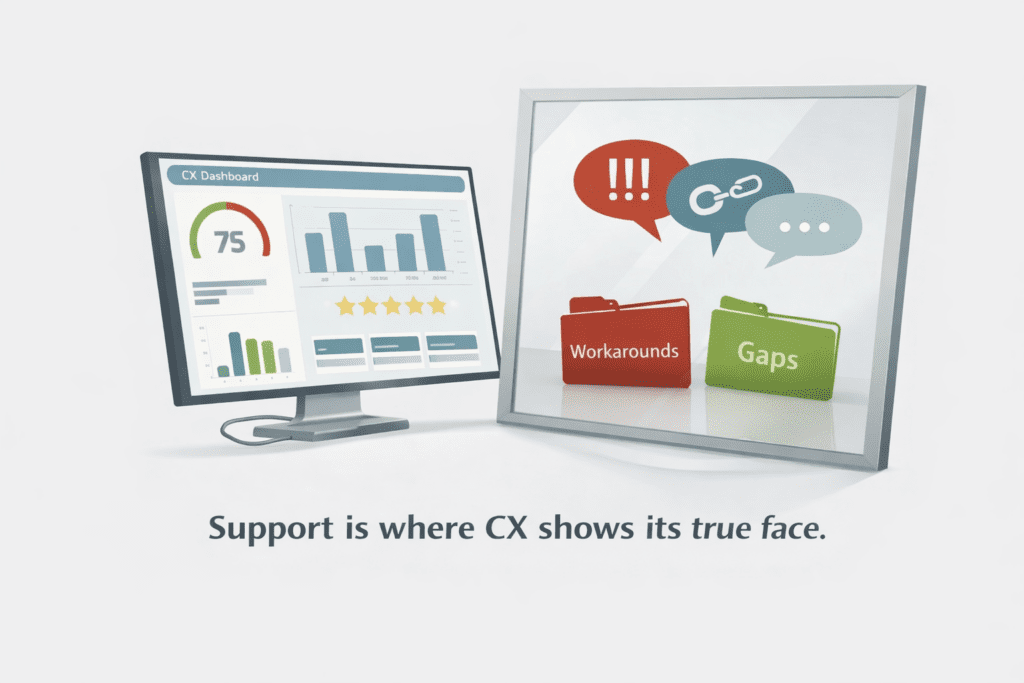
A client I worked with recently invited me to review their customer experience strategy. They had invested heavily in CX over the past two years and were rightly proud of the progress they had made. Journey maps were up to date, metrics were in place, and leadership support was strong.
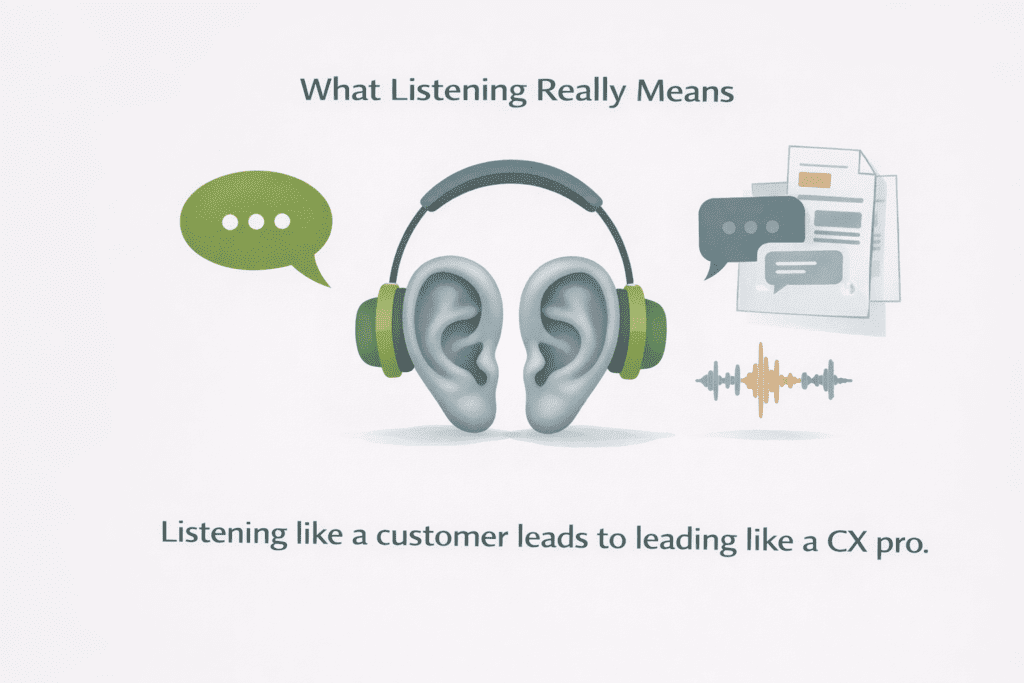
Halfway through our discussion, I asked a question that often changes the direction of these conversations: could we spend an hour listening to customer support together?
The reaction wasn’t defensive, but it was clearly unexpected. That moment told me more about their CX maturity than any dashboard or roadmap we had reviewed so far.
Where CX Stops Being Abstract
Customer support is the one place where customer experience stops being an abstract concept and becomes real. Customers don’t arrive there as personas or segments; they arrive with concrete problems, often after everything else has failed.
Over the years, working closely with support organizations across industries and regions, I’ve seen the same pattern repeat itself. Support teams have a remarkably accurate sense of where CX breaks down, but they are not always invited into the conversations where those breakdowns could be addressed.
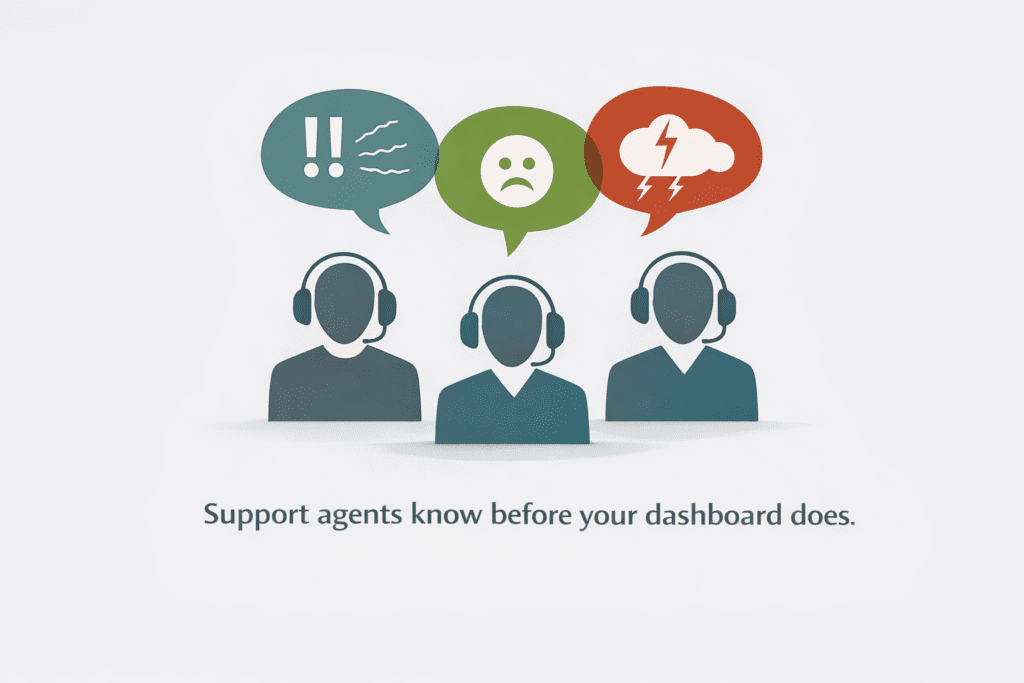
In one organization I worked with, support agents were able to predict escalations with uncanny accuracy. They didn’t rely on analytics or dashboards to do this. They relied on experience. They had heard the same stories, the same frustrations, and the same misunderstandings play out hundreds of times. The insight already existed; the connection to CX decision-making did not.
The Gap Between Intention and Reality
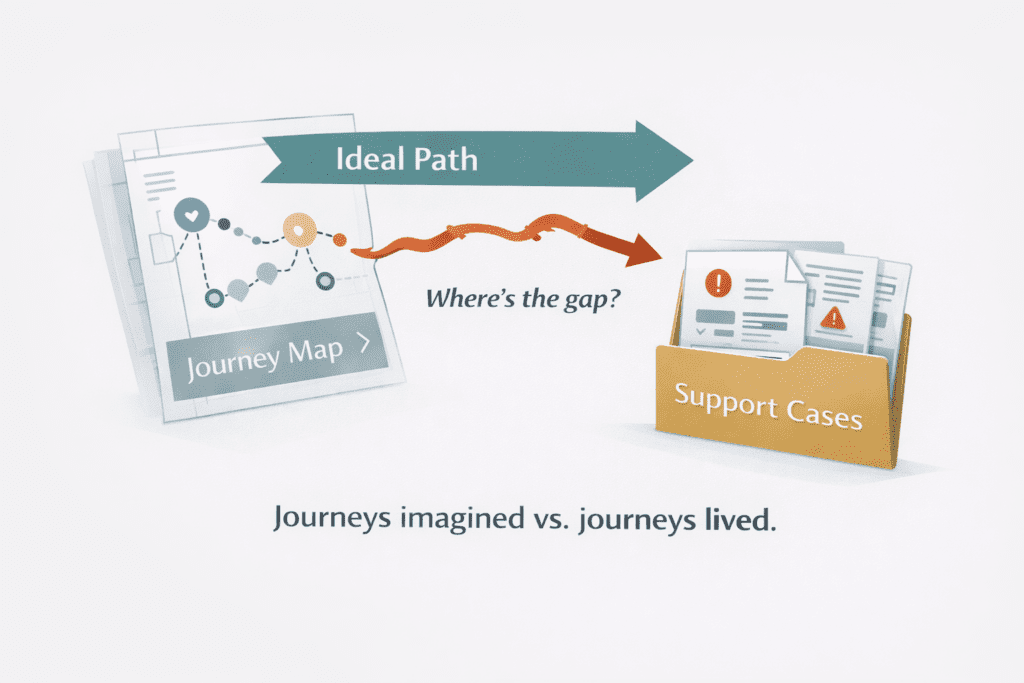
This disconnect becomes especially visible during CX assessments. In one such engagement, we compared leadership’s understanding of the main customer pain points with the reasons customers actually contacted support on a daily basis.
The overlap was smaller than expected. Not because leadership didn’t care or wasn’t committed, but because they operated at a greater distance from the everyday reality customers experienced.
CX discussions happened in workshops and steering meetings. Support conversations happened under time pressure, with real consequences for customers and employees alike. Both were focused on improving experience, yet they rarely met in a meaningful way.


Why CX Initiatives Often Stall
Many CX initiatives don’t fail outright. Instead, they stall. They lose momentum somewhere between strategy and execution, between aspiration and operational reality.
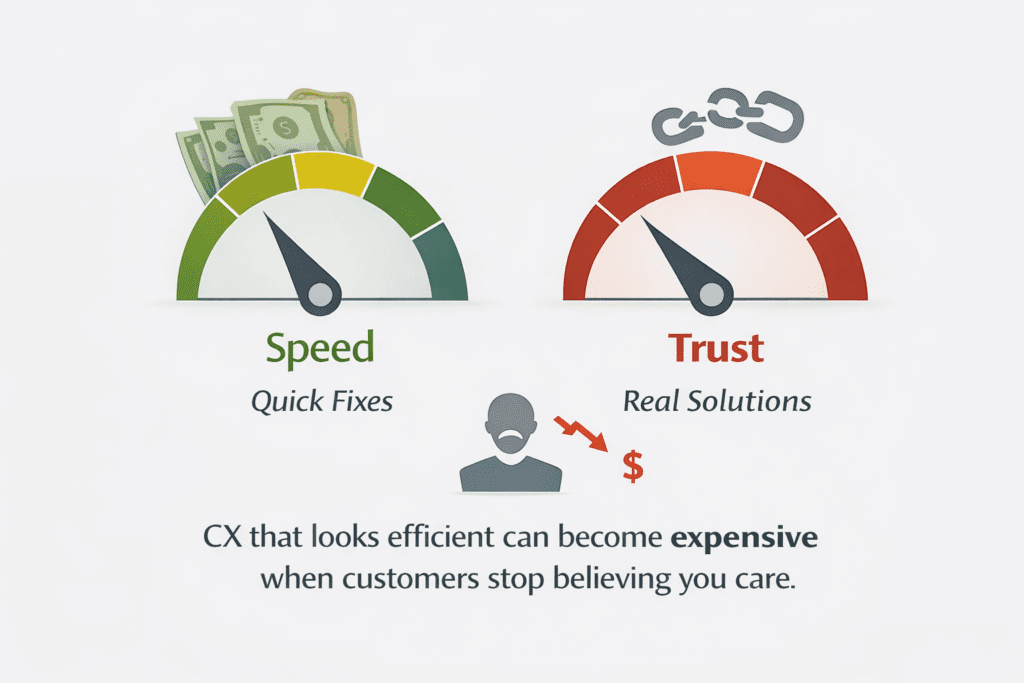
I’ve seen well-designed journeys struggle because support teams were never fully brought into the picture, because performance metrics rewarded speed rather than resolution, or because feedback loops stopped once data was collected and reported.
In those situations, support becomes reactive while CX remains aspirational. The distance between the two grows quietly, often unnoticed, until results start to disappoint.
What Mature CX Organizations Do Differently
The most mature customer-centric organizations I work with approach this very differently. They don’t treat support as the end of the journey but as its most reliable reality check.
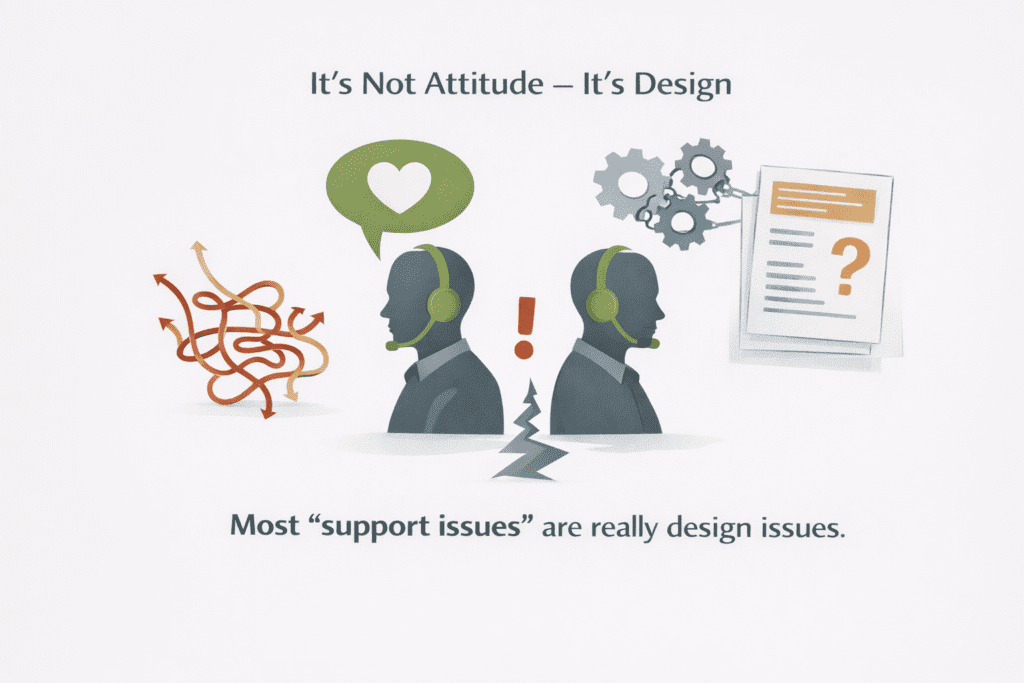
They listen closely when support teams highlight recurring issues. They involve frontline perspectives earlier in journey design. They understand that customer experience and employee experience intersect most clearly in customer support.
In these organizations, CX is no longer something that is merely designed in workshops. It becomes something that is lived, tested, and refined every day.
Why This Matters Now
This matters more than ever. As CX becomes more strategic, expectations increase across the board. Executives look for business impact, customers expect consistency, and support teams feel the pressure first.
That’s why CX capability building can’t sit in a single function anymore. CX teams, support leaders, and executives need a shared language and a shared understanding of what good experience looks like when customers are frustrated, confused, or impatient.
A Final Thought
If you want an honest picture of how customer-centric your organization really is, don’t start with another survey.
Start by listening to customer support.
They already know where CX is broken. The real question is whether the organization is prepared to listen — and to act on what it hears.