
The Age of Personalization
Customers today expect more than generic interactions—they demand experiences that feel tailored to their preferences, behaviors, and needs. Brands that deliver hyper-relevant, data-driven personalization build stronger customer loyalty, drive higher engagement, and increase conversion rates. But scaling personalization without crossing into the realm of invasive or creepy marketing is a challenge.
In today’s blog, let’s explore how businesses can use data to create meaningful, personalized customer experiences at scale—without sacrificing trust or authenticity.
Why Personalization Matters in Customer Experience
Personalization has become a key ingredient in successful custom experience strategies. Research* shows that:
- 80% of consumers are more likely to buy from a company that offers personalized experiences (McKinsey).
- 91% of consumers say they are more likely to shop with brands that recognize them and provide relevant offers (Accenture).
- Lack of personalization leads to disengagement—customers ignore one-size-fits-all marketing.
The bitter truth: Companies that fail to personalize risk losing customers to brands that do it better.
* you can find a complete collection of customer experience related research here.

The Building Blocks of Scalable Personalization
Scaling personalization requires the right mix of technology, data, and strategy. Here are the essential components:
Customer Data Platforms (CDPs) & CRM Integration
A unified customer profile is the foundation of personalization. Brands must integrate first-party data (customer behavior, preferences, purchase history) into a central system to ensure every interaction is relevant.
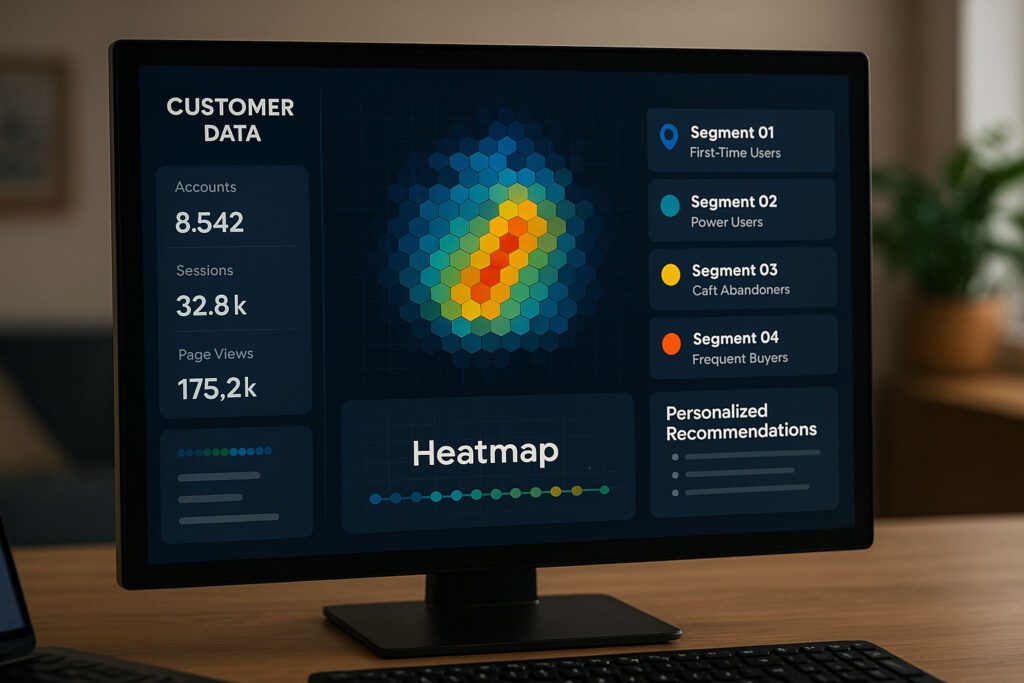
AI-Powered Segmentation & Predictive Analytics
Artificial intelligence enables dynamic segmentation—clustering customers based on behavior, demographics, or preferences. AI can also predict future actions, allowing brands to anticipate needs and personalize proactively.
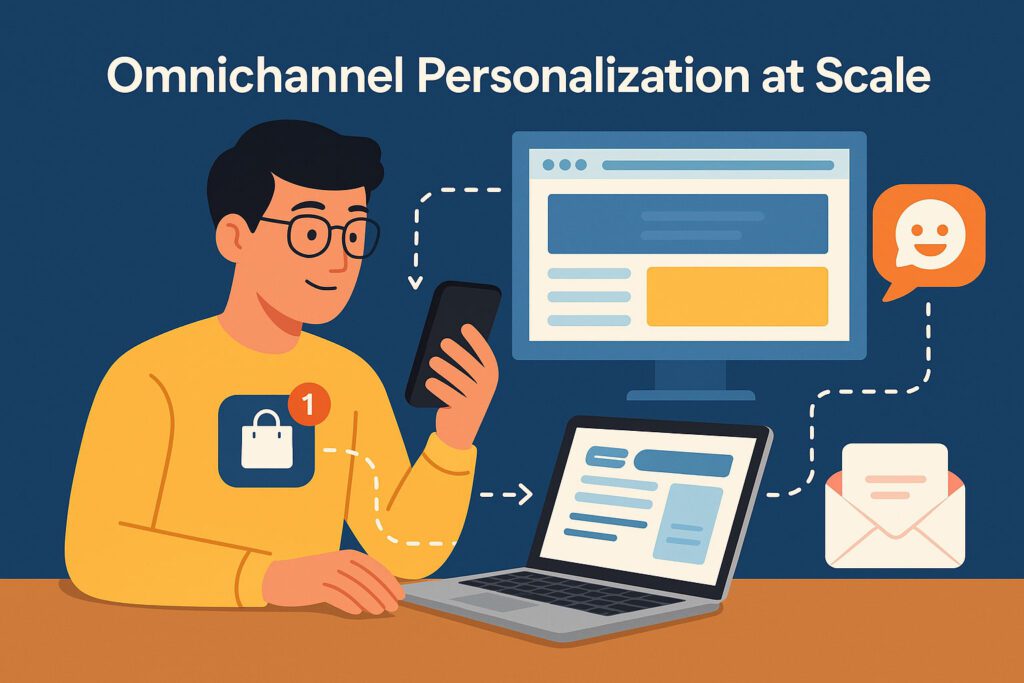
Omnichannel Personalization
Customers interact with brands across multiple channels—web, mobile, email, social media, and in-store. A strong personalization strategy ensures a seamless experience across all touchpoints.
Real-Time Data Processing
Modern personalization requires real-time adaptation. Netflix and Spotify analyze real-time user activity to offer recommendations instantly, keeping engagement high.
Personalization Done Right: Best Practices from Industry Leaders
In my consulting experience, I see clients win with the right personalization strategy and also fail if personalization is a blind spot for them. Some brands have mastered scalable personalization—here’s what they do right:
Amazon: AI-Driven Product Recommendations
Amazon uses past purchase behavior, browsing history, and AI-powered algorithms to deliver personalized product suggestions—leading to 35% of its revenue coming from recommendations.
Netflix: Dynamic Content Curation
Netflix’s algorithm personalizes everything—from recommended shows to the thumbnails displayed—based on viewing habits, making each experience unique to the user.
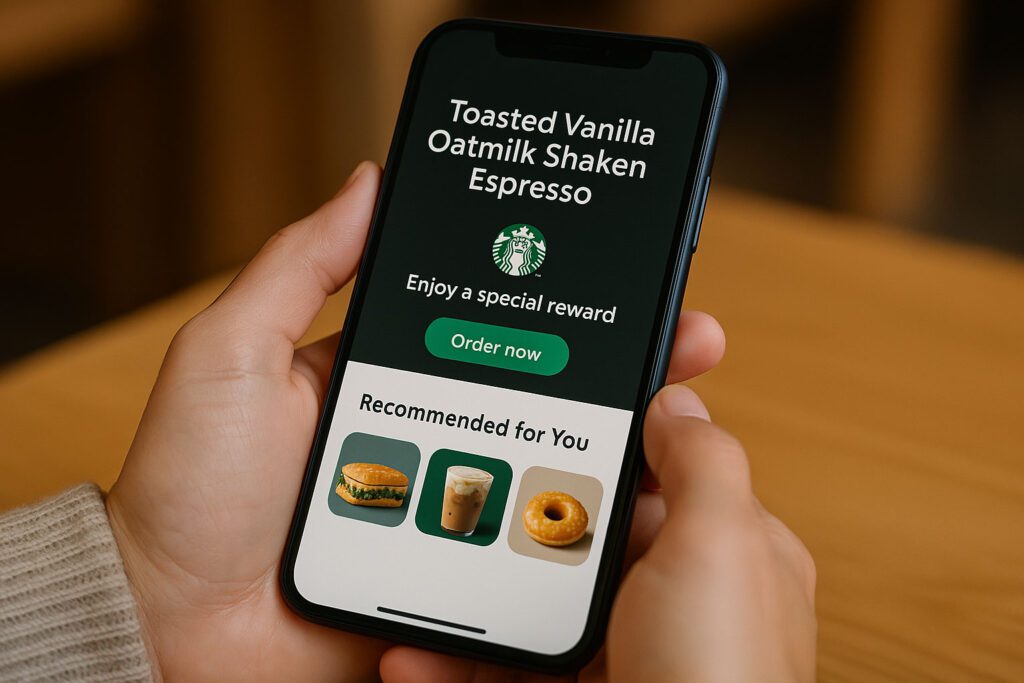
Starbucks: Personalized Loyalty Rewards
The Starbucks app uses purchase history, time of day, and location data to send tailored offers, increasing customer retention and spending.
Your learning: The most successful brands integrate personalization into every touchpoint, making customers feel understood without overwhelming them.

The Fine Line: How to Personalize Without Being Creepy
Personalization is powerful, but if overdone, it can feel intrusive. Customers appreciate relevance but dislike feeling watched.
Avoid Over-Personalization
- Example: Customers may feel uncomfortable if they receive ads for a product they only mentioned in a private conversation (a common fear with smart devices). I personally quite recently skied past a restaurant in the Swiss Alps extensively decorated with a champagne brand’s merchandising. After calling this out to my wife as we skied by, I received an annoying amount of advertising from the champagne brand in my social media, despite not even liking champagne myself.
- Instead: Focus on explicit data (purchase history, engagement) rather than assumed data.
Be Transparent About Data Usage
- Customers trust brands that openly communicate how their data is used.
- Provide clear opt-in/opt-out options for personalized experiences.
Strike a Balance Between Automation & Human Touch
- AI can enhance personalization, but human interaction remains key.
- Example: A luxury brand using human sales associates to personalize recommendations rather than relying solely on automation.
Actionable Steps to Implement Personalization at Scale
Want to create hyper-relevant, scalable personalization in your business? Here’s how:
Step 1: Centralize Customer Data
- Integrate all first-party data into a unified customer profile using a CDP or CRM system.
Step 2: Leverage AI for Smart Segmentation
- Use machine learning to dynamically segment audiences based on behavior, interests, and engagement levels.
Step 3: Implement Personalization Across All Channels
- Ensure website, email marketing, app notifications, and in-store interactions all reflect the same personalized experience.
Step 4: Measure & Optimize Continuously
- Track KPIs like conversion rates, engagement, and retention to refine personalization efforts.
Step 5: Stay Ethical & Transparent
- Give customers control over how much personalization they receive and clearly explain data policies.
Personalization is the Future of CX—If Done Right
The brands that win in the digital age will be those that personalize at scale while respecting customer preferences and privacy. Smart data usage, AI-driven insights, and omnichannel consistency will define the next generation of CX.
How is your brand using personalization to enhance CX? Share your thoughts in the comments or let’s discuss best practices!